Keep Livestock Safe and Contained
Farm and horse fencing for property owners in Bloomington, Indiana and surrounding areas who need durable, safe enclosures for animals and acreage.
Your property in Bloomington, Martinsville, Bedford or a surrounding area includes pasture, wooded areas, or open land where horses or livestock graze, and you need fencing that keeps them contained without causing injury. Farm fencing is built differently than residential work because animals test the strength of every post and rail, and the fence has to follow natural contours without leaving gaps at low spots. You choose materials based on what kind of animals you're enclosing, how much acreage you're covering, and how much visibility you need from the house or barn.
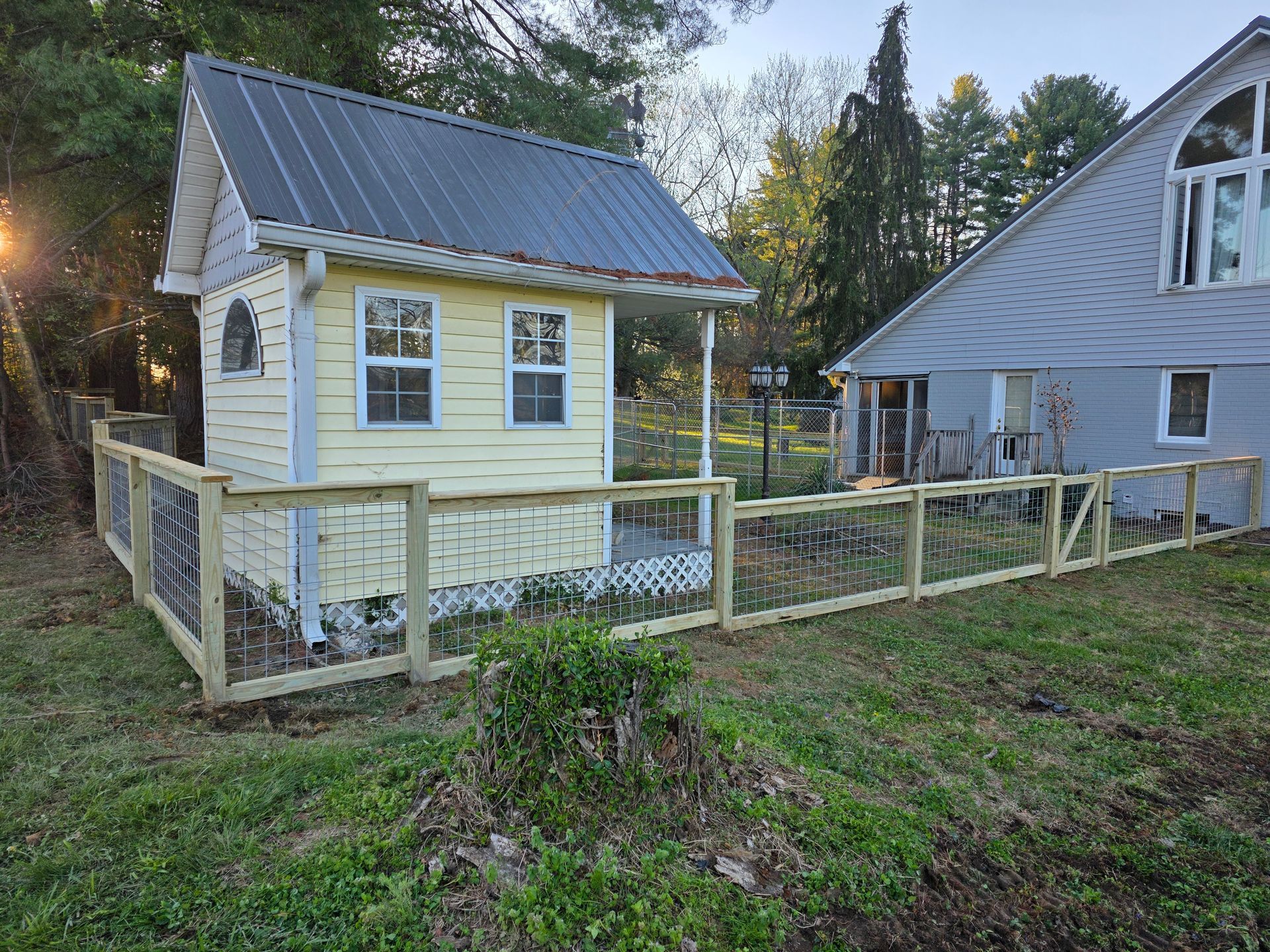
BloomWorks Fencing & More installs fencing designed for horses, cattle, and agricultural land using materials that balance safety, strength, and cost. The crew walks the property with you to identify terrain challenges, existing gates, and areas where animals congregate. Posts are set deeper than standard residential installations to resist pressure from large animals, and rails or wire are spaced to prevent hooves or heads from getting caught. You receive recommendations on whether board fencing, high-tensile wire, or a combination works best for your situation.
If you need farm or horse fencing installed on your Bloomington area property, contact BloomWorks Fencing & More for a site visit and detailed estimate.
How livestock fencing is built to perform in Bloomington, IN
The crew arrives in Bloomington or a neighboring community with post drivers, treated wood posts, rail boards or wire, and concrete for bracing corner and gate posts. Posts are driven or set into the ground at intervals that prevent sagging, and corner posts are reinforced with diagonal bracing to handle tension. Rails are attached with screws or bolts, and wire fencing is stretched tight using a come-along tool to eliminate slack. Gates are built wide enough for tractors or trailers and hung with heavy-duty hardware that won't loosen over time.
After the fence is finished, your animals stay within the boundaries you've set, and you no longer worry about them wandering onto roads or neighboring properties. The fence line is visible from a distance, the rails don't bow when animals lean on them, and gates open and close without dragging or binding.
The crew clears brush along the fence line if needed and removes debris before leaving the site. This type of fencing is built to withstand years of use, weather exposure, and the constant pressure animals apply when they push, rub, or lean against it. Proper spacing and material selection reduce the risk of injury and the need for frequent repairs.
What rural property owners ask most often
Property owners in Bloomington with acreage or livestock often have questions about materials, spacing, and how to handle uneven terrain. These answers address the practical concerns that come up before installation begins.
If you're ready to install farm or horse fencing on your Bloomington property or need help planning a layout that works with your land, reach out to BloomWorks Fencing & More. The team builds fencing that protects your animals and holds up under real-world conditions.
Click here to reach out to us today.
Our Fencing Services in Bloomington, IN
Bloomworks Fencing & More offers complete residential fencing services throughout Bloomington and surrounding areas. Explore our services below to find the right solution for your property.